


The Challenge
Happy to Help began with an idea for a highly personalized concierge service designed to help busy people reclaim something increasingly valuable: their time.
But bringing the business to market required much more than creating a brand or website. The audience, competitive landscape, service offering, positioning, customer journey, and digital experience all needed to be understood and shaped into a coherent proposition.
The challenge was to turn that early-stage idea into a differentiated and credible customer experience—one that could make a broad range of services easy to understand while communicating the larger value Happy to Help could bring to people’s lives.
Services: Strategy / Creative Direction / Brand Identity / UX/UI Design / Launch Materials / Website Production
Industry: Personal Concierge Services
Scope: Brand Development / Positioning / Website Design / Launch Assets / Social Templates
The Strategic Opportunity
Research across the national and local concierge landscape combined competitive analysis, category and search/SERP insights, and audience development to understand what was working in the market, what services customers were looking for, which offerings Happy to Help should prioritize or avoid, and where the strongest opportunities for differentiation existed.
The research revealed an opportunity to position Happy to Help around something more meaningful than the individual tasks a concierge could perform. Across different audiences and life stages, the underlying need was consistent: people were overwhelmed by the demands of managing everyday life and wanted more time for the people, experiences, and priorities that mattered to them.
That insight created a clearer strategic territory for the brand. Rather than simply selling concierge services, Happy to Help could focus on the value those services created—giving people more time for the things they love.
Translating Strategy Into a Brand System
With the competitive opportunity, positioning, and audience strategy defined, the next step was translating that direction into a brand that could stand apart within the category while connecting with the customers it was designed to serve.
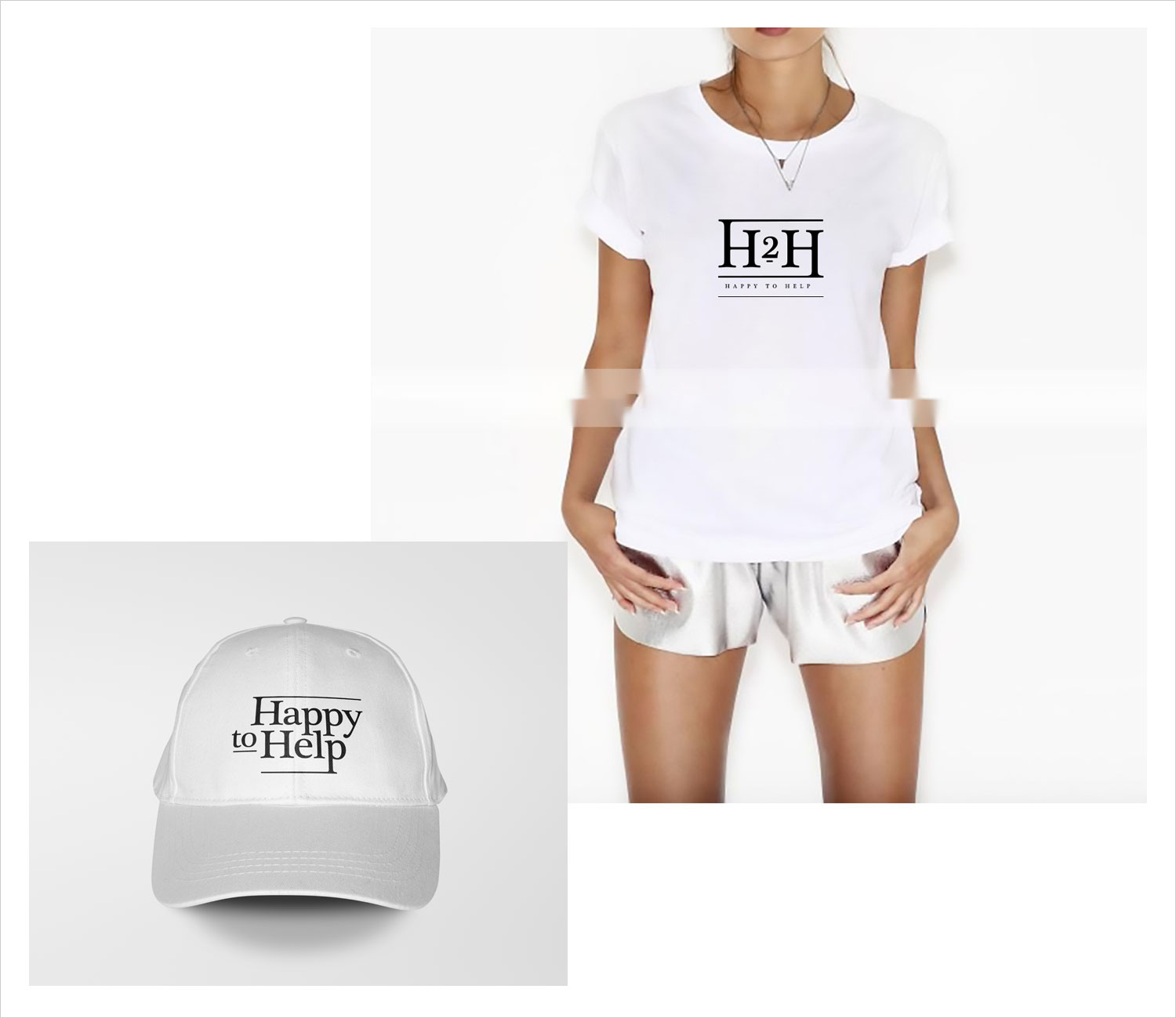
The identity system was designed to feel personal, optimistic, and approachable while maintaining the polish and credibility of a premium concierge service. Typography, color, imagery, messaging, and motion created a distinctive boutique feel—giving Happy to Help a recognizable creative language that could extend consistently across digital experiences, communications, marketing, and physical touchpoints.

Turning Customer Insight Into Experience Strategy
The audience research revealed that customers could arrive with very different needs, life stages, and reasons for seeking help. The digital experience needed to make a broad service offering feel relevant and easy to navigate without forcing people to understand how the business was organized.
Customer personas and journey mapping informed the service architecture, content strategy, and pathways through the site—connecting different customer situations with the services most relevant to them and creating a clearer path from discovery to engagement.
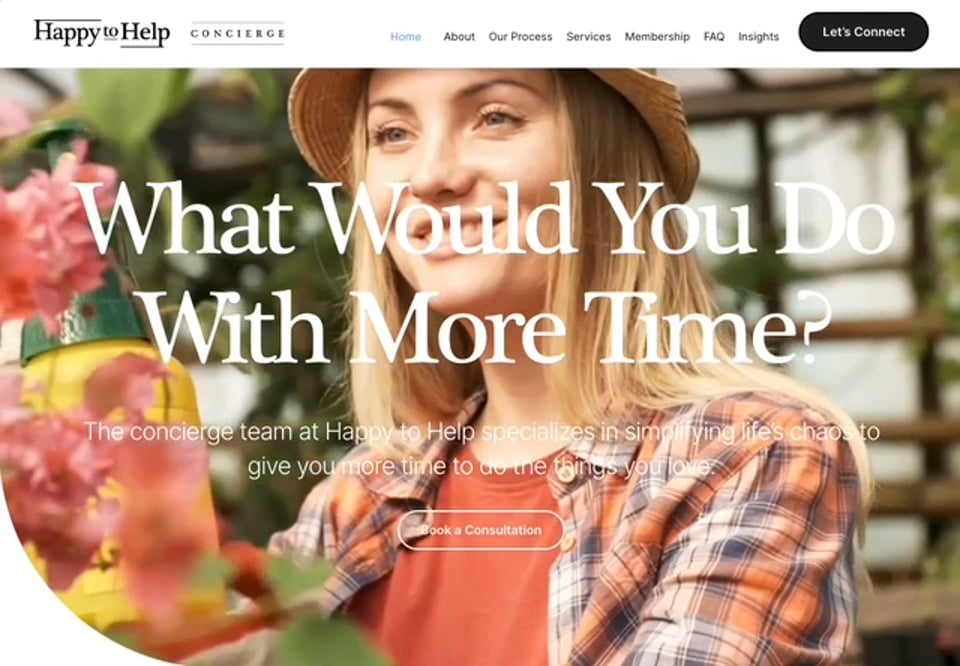
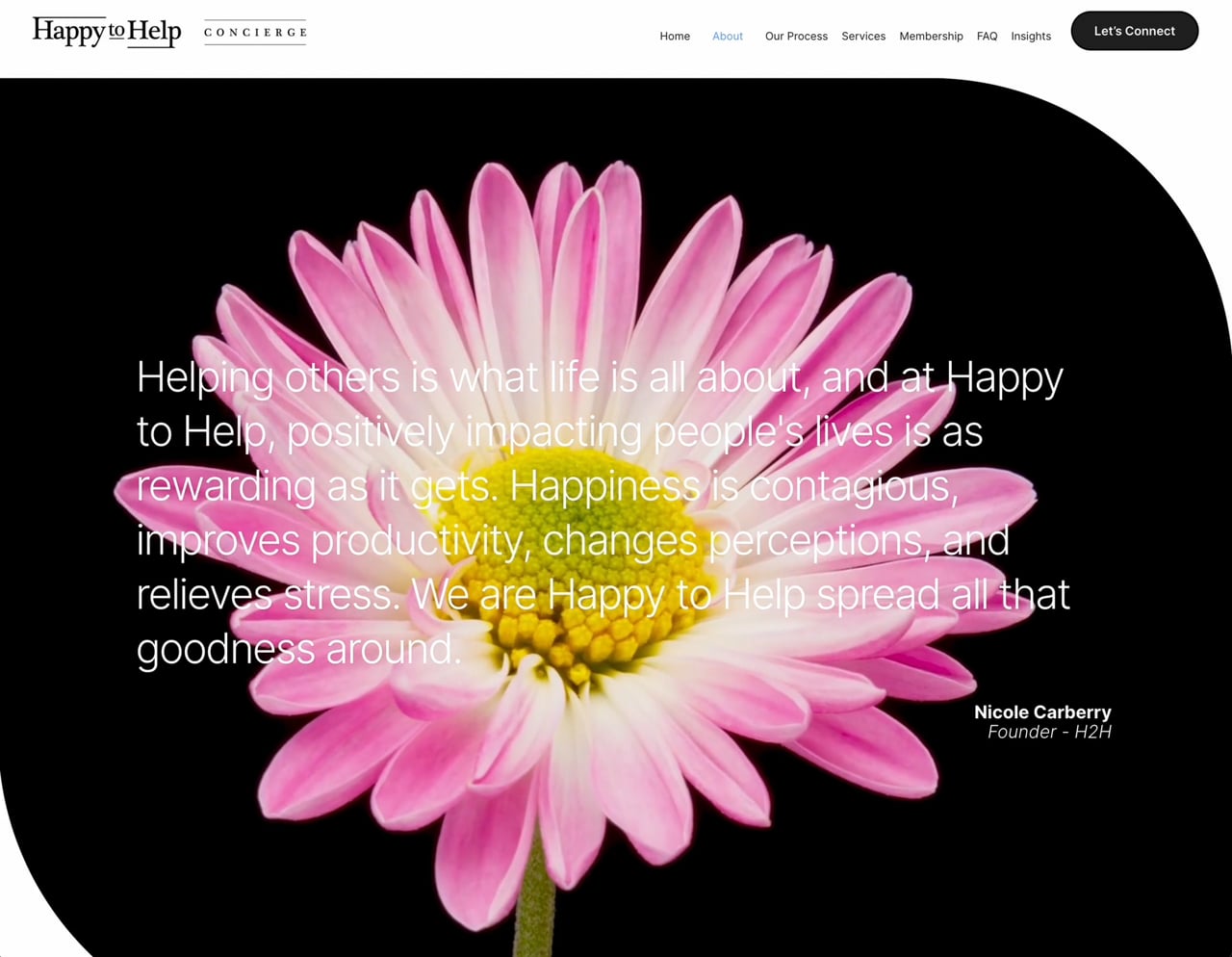
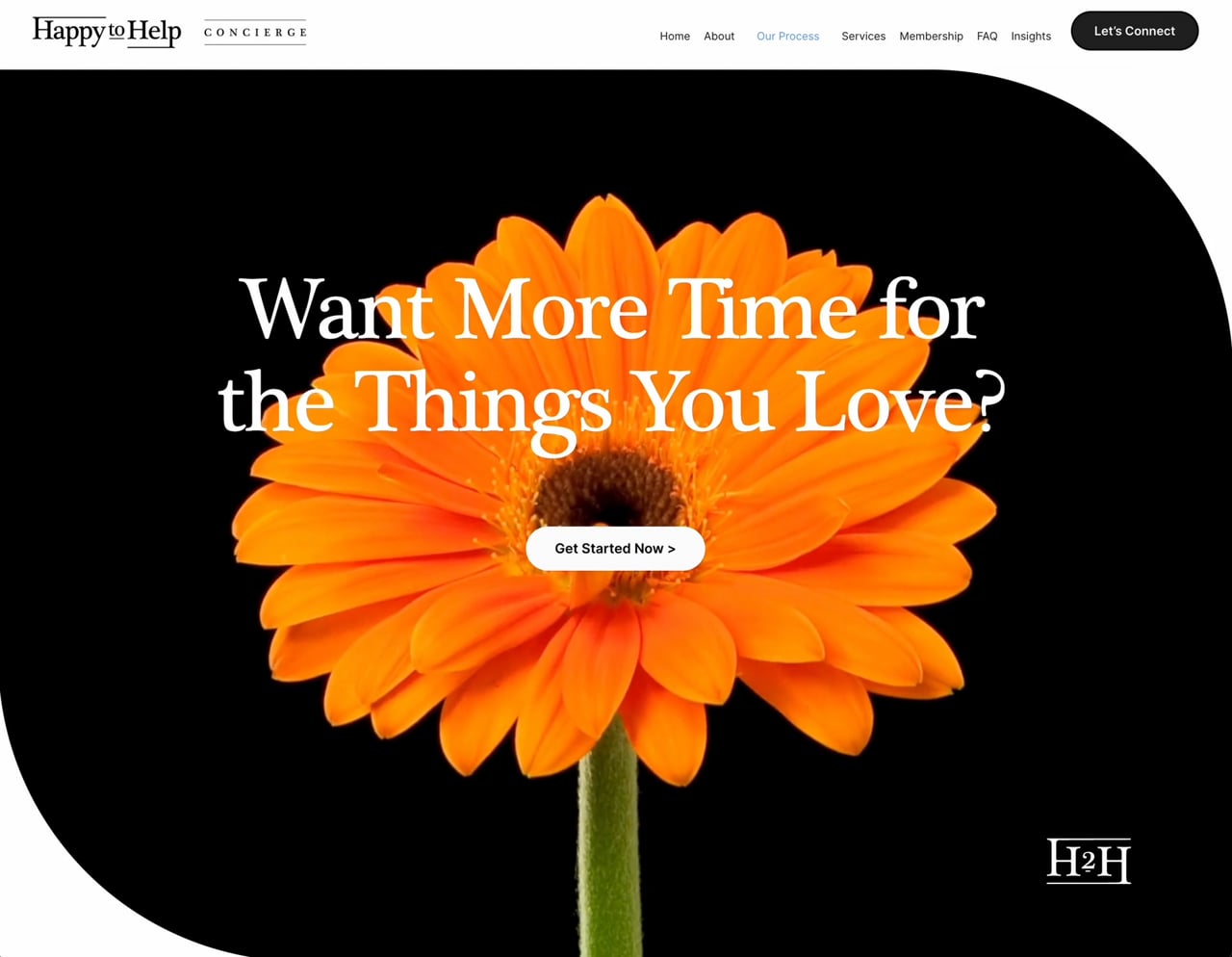
( Website Hero — introducing the brand, positioning, and value proposition. )
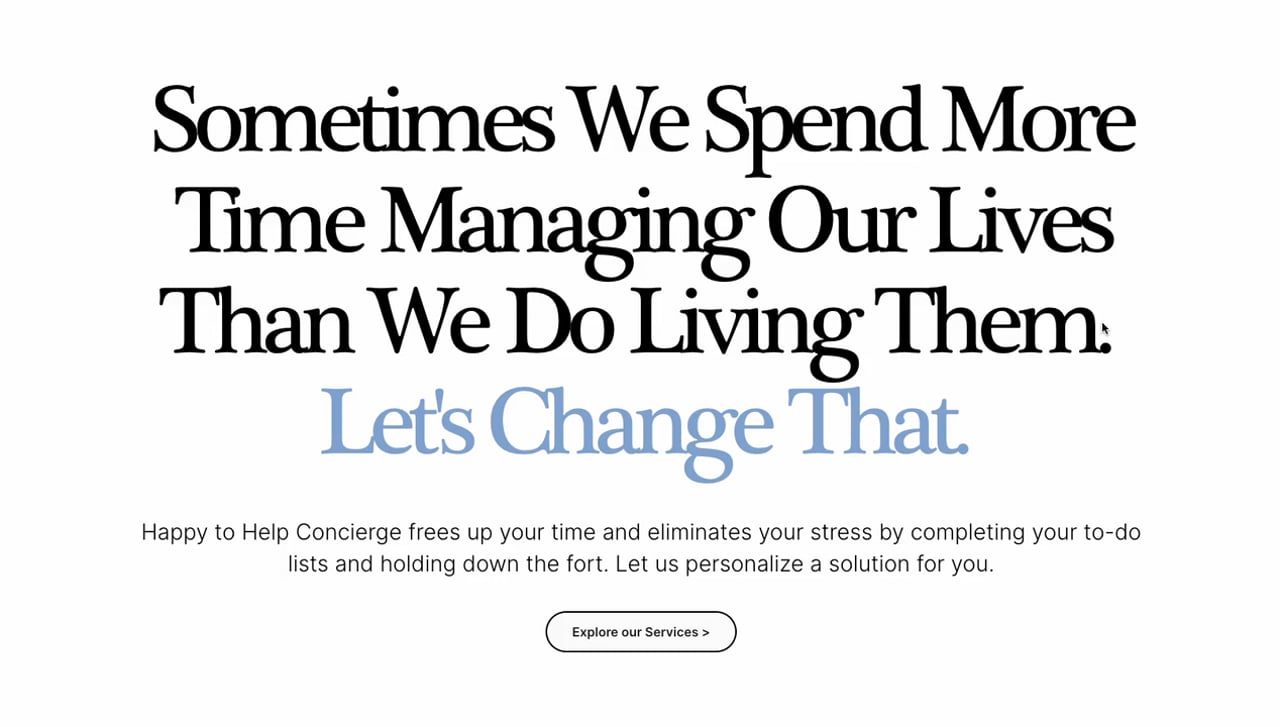
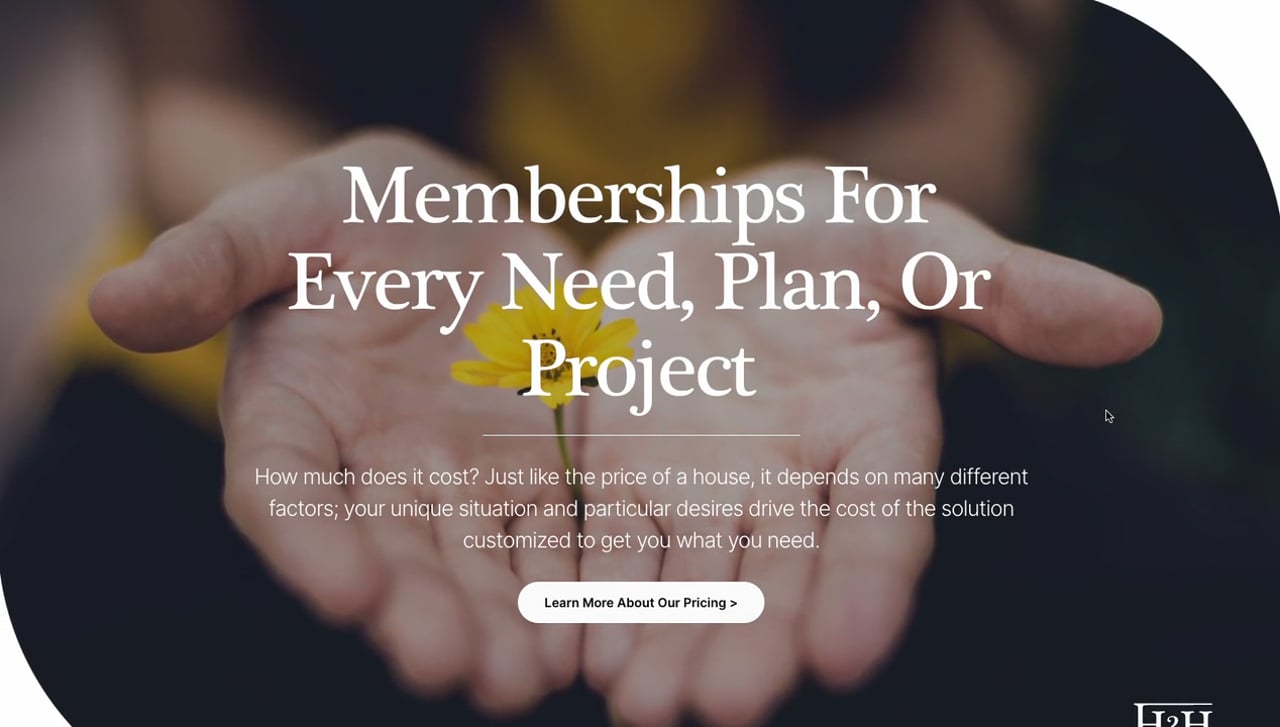
( Full Homepage Experience — showcasing the complete user journey, site architecture, and conversion flow. )
Experience Navigator
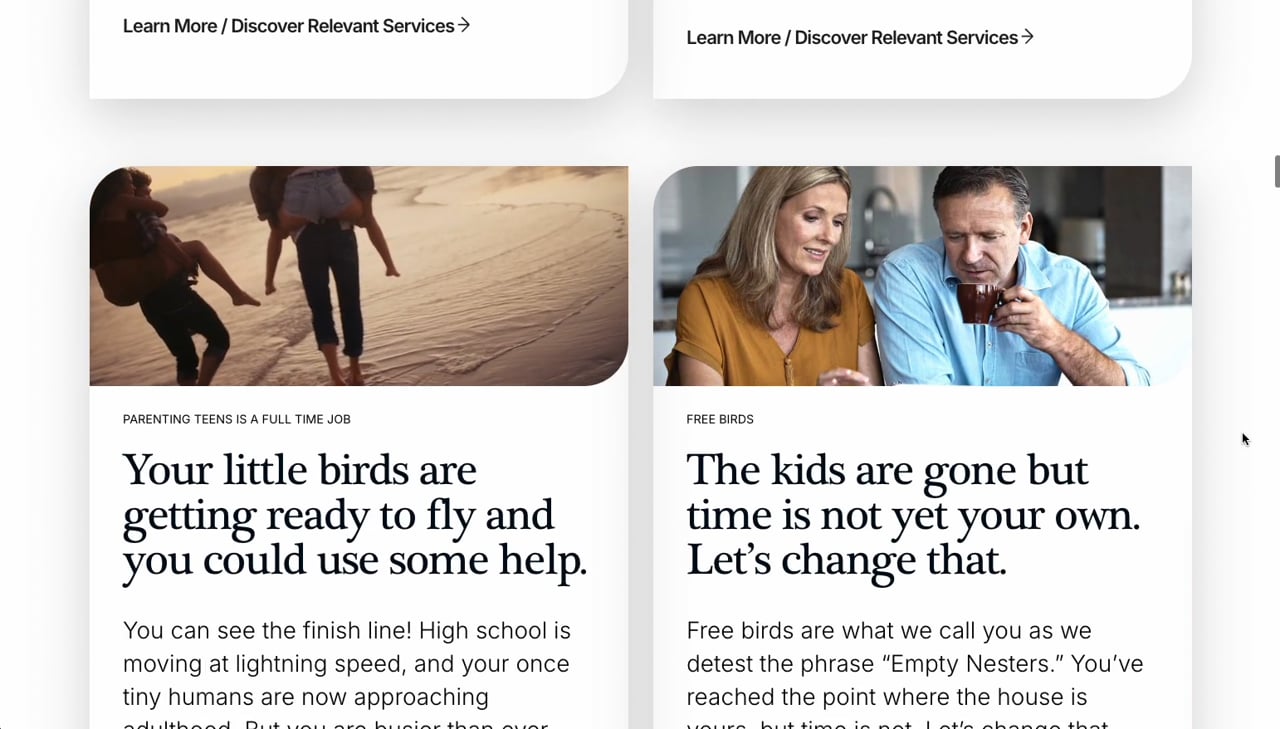
Rather than asking visitors to navigate a long list of concierge services, the experience created pathways around recognizable life situations and customer needs. The Experience Navigator helped people identify what was relevant to them first, then connected those needs to the services Happy to Help could provide.
Extending the Strategy Across Customer Touchpoints
The strategy extended beyond the core website into content, search, social, communications, and supporting brand materials—creating multiple ways for customers to discover, understand, and engage with Happy to Help.
Search and category insights helped inform an editorial content strategy designed to answer common questions about concierge services and the everyday challenges that bring customers to them. Articles around time management, home organization, lifestyle support, and the value of asking for help expanded the brand’s usefulness while creating additional opportunities for search discovery.
Across these touchpoints, the positioning, messaging, visual language, and Creative Direction remained consistent—building a connected brand experience rather than a collection of isolated marketing materials.
6 Target Customer Pathways
22 Pages Built for Discovery & Conversion
11 Search-Informed Content Pages
Results & Impact
From Research to Market – Research uncovered the opportunity. Strategy defined the position. Customer insight shaped the experience. Creative Direction transformed that thinking into a distinctive brand. And a connected digital and content system carried it into the market.
The result was a polished and strategically grounded launch platform that gave Happy to Help a strong visual identity and a more thoughtful digital presence from day one.
From branded social templates and launch materials to a multi-page Webflow website built around several distinct user flows, the project helped establish a more cohesive and credible brand experience across channels.
The final system positioned the business to launch with greater clarity, stronger differentiation, and a more scalable customer-facing foundation across web, social, and branded touchpoints.
New concierge venture positioned and prepared for market launch
Market and customer insights translated into a differentiated brand proposition
Complex service offering organized around customer needs and life situations
Integrated brand, digital, content, and communications system established
